
Stage 3 Resilience Program for Sydney Schools: What to Look For
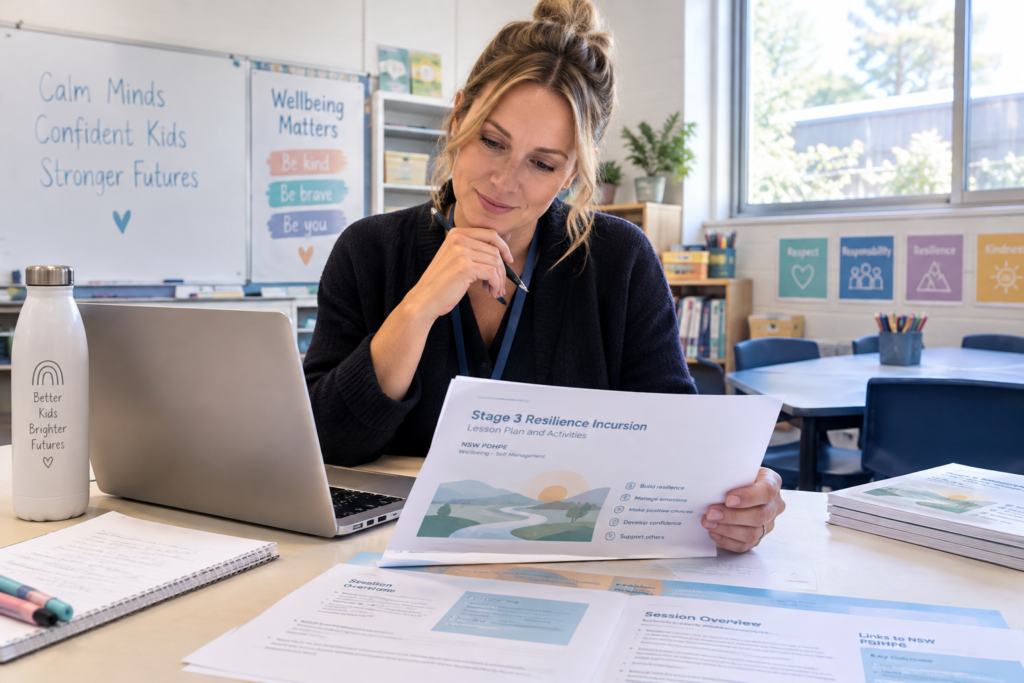
If you’re a wellbeing coordinator or deputy principal searching for a Stage 3 resilience program, you’ve probably sat through a few pitches that sounded good but were light on substance. This guide covers what to check before booking, why Year 5 and Year 6 students benefit from explicit nervous system tools, and how Control Your Mind Incursions works.
What Resilience in Children Actually Means (And Why So Many Parents Are Noticing Its Absence)

Why resilience in children is declining, what Jonathan Haidt’s Anxious Generation research shows, and practical ways parents and carers can build it at home.
Why Laughing Is Good for Kids: The Surprising Science Behind a Giggle

Picture this: your child is mid-meltdown over something that, let’s be honest, will not matter in a week’s time. Then something ridiculous happens, the dog sneezes, someone trips over nothing, and suddenly they’re laughing so hard they’ve forgotten what they were upset about. If you’ve ever wondered whether that’s just a lucky distraction or something […]
Cause and Effect: Why This Skill Helps Kids Feel More in Control

Cause and effect is the understanding that our actions create outcomes. Understanding cause and effect is one of the building blocks of a healthy, resilient mind. As children learn “when I do this, that happens,” a few powerful things start to shift.
Parenting Strategies for Anxious Kids: Why One Approach Doesn’t Fit Every Child

Real parenting strategies for anxious kids in Sydney, exploring Positive Parenting and how understanding your child’s unique mind can change everything.
What Is Symphony Of the Cells and How Can It Calm Your Child?

Discover Symphony of the Cells essential oils application and how the Purpose protocol supports children’s emotional calm and nervous system regulation. Anna Ware, Calm Kids Coach, explains what it is and how to use it at home.
Why You’re Exhausted But Nothing Comes Back on the Tests

The bloods are normal. The scan was clear. So why do you still feel like this? If your body has been under pressure for long enough, the answers don’t always show up in a pathology report. Here’s what the tests don’t measure.
NLP for Adults: When Your Body Is Carrying More Than You Realise

Sometimes the body knows before the mind does. Tension that won’t shift. Exhaustion that sleep doesn’t fix. An emotional response that feels bigger than the situation warrants. These are not signs that something is wrong with you. They are signs that something is asking to be resolved. Anna Ware is a Master NLP Practitioner who […]
Are You Accidentally Making Your Child More Anxious? (Most Parents Are, Without Knowing It)

This is a hard topic to write about, because I know how much parents worry about getting it wrong. So I want to say this upfront: if you read this and recognise yourself, that doesn’t make you a bad parent. It makes you a normal one. The patterns I’m about to describe are incredibly […]
Why a Whole-Child Approach Works Best for Kids’ Anxiety

If you’ve tried the breathing exercises, the reward charts, and the gentle encouragement — and your child is still struggling — you’re not doing it wrong. Anxiety rarely has just one cause, which means it rarely responds to just one solution. Here’s why addressing the whole child makes all the difference.