
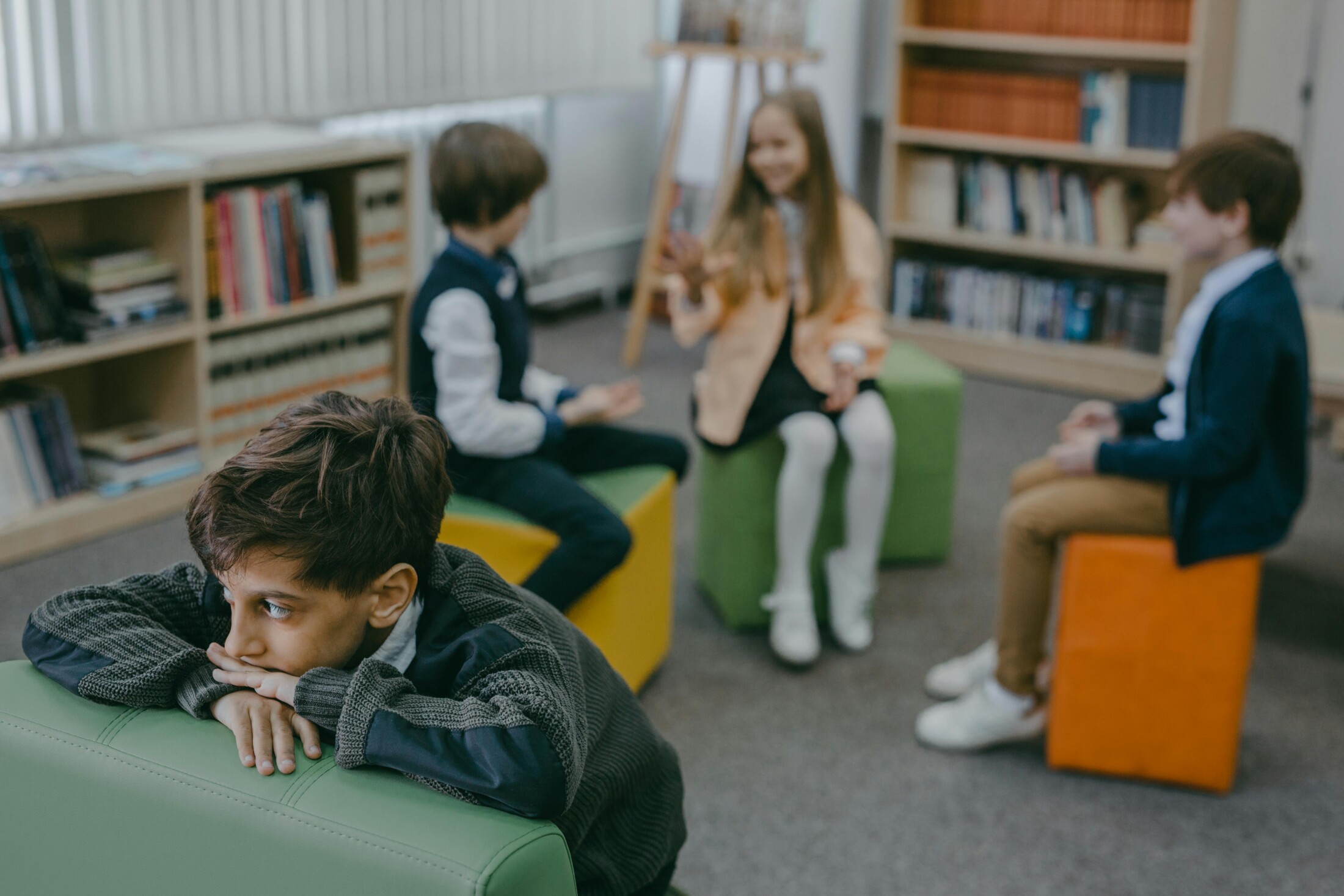
Anxiety doesn’t just “happen” to children. It’s learned. Day by day, kids train their brains to scan for threats, avoid risks, and brace for the worst. Much of this learning comes directly from their parents and peers and while it’s often unintentional, it can shape a child’s future in powerful ways. The encouraging truth? What has been learned can be unlearned.
How Kids Learn Anxiety
Children are natural observers. From their earliest years, they study how adults respond to the world. If a parent reacts to dogs, social events, or even school with visible fear or stress, the child absorbs that lesson: “This is dangerous.”
Psychological research confirms this. Studies show that when parents model fear or warn children repeatedly, kids are more likely to develop the same fears themselves. This is called fear transmission, and it’s one of the strongest predictors of child anxiety. Peers also play a role. Children who spend time with anxious friends or in socially rejecting groups can learn to interpret the world as threatening. Over time, this creates a cycle of worry, avoidance, and confirmation that the world is unsafe.
Anxiety is Brain Training
Every thought and behaviour strengthens pathways in the brain. When a child avoids speaking up in class and feels temporary relief, their brain learns: “Avoiding feels safe.” This reinforces anxiety and makes it harder to face challenges next time. This process, known as neuroplasticity is why anxiety can stick. But it’s also the reason it can be undone. The same brain that learns to fear can learn to relax, risk, and thrive.
The Hidden Costs of Unchecked Anxiety
Anxiety may seem like “just worry,” but left untreated, it carries huge lifelong costs. Here’s what the research shows:
- Lost Education: Anxiety can cause school refusal, reduced participation, and lower grades. Missed learning opportunities accumulate.
- Career Setbacks: Adults with childhood anxiety are less likely to apply for promotions or leadership roles, leading to lower lifetime earnings.
- Mental Health Risks: Anxiety in childhood increases the likelihood of depression, substance use, and burnout later in life.
- Physical Health Costs: Chronic stress hormones damage the body over time, raising risks for heart problems, immune issues, and fatigue.
- Economic Burden: Studies show anxiety disorders are among the costliest mental health conditions, draining healthcare systems and families.
- Withering Confidence: Anxiety slowly erodes self-belief, shrinking what feels possible in life.
- Relationships & Quality of Life: Social withdrawal, fear of rejection, and avoidance can prevent strong friendships, intimacy, and life satisfaction.
- Tragic Outcomes: Severe, untreated anxiety increases risk of self-harm and suicidality.
In short: not addressing anxiety early costs more — in money, health, and happiness — than addressing it now.
The Hope: Anxiety Can Be Untrained
The good news is that children don’t have to live this way. Because anxiety is learned, it can also be unlearned. When parents model calm, encourage manageable risks, and children practice new thought patterns, anxiety can lose its grip quickly. Rik Schnabel of Life Beyond Limits, often described as the world’s most well-known Brain Untrainer has pioneered methods to reverse these patterns. He has taught practitioners, including Anna Ware, how to help children conquer anxiety in less than 30 days.
This is not years of therapy. It’s targeted retraining of the brain:
- Teaching the child to shift attention away from threats.
- Helping parents stop reinforcing worry.
- Guiding children through small steps that rewire confidence.
- Building courage into daily habits.
And because the brain is so adaptable, especially in children, these changes can happen faster than most parents imagine.
Anxiety is contagious, but so is calm. Children learn both. The costs of leaving anxiety unchecked are staggering but the benefits of retraining the brain are even greater. With the right guidance, children can break free from anxious cycles and step into a confident, resilient future. Rik Schnabel and Anna Ware are proving every day that anxiety doesn’t have to be a life sentence. It can be untrained and replaced with calm, courage, and confidence in as little as 30 days.
Rik Schnabel (BIO):
Rik Schnabel is Australia’s leading authority on untraining the brain and is an author, teacher and coach. With over 38,000 transformational hours over two decades, he is an internationally recognised and nationally accredited Master Trainer in NLP, Life Coaching, Public Speaking, and Trainer’s Training. Often called “Australia’s Tony Robbins,” Rik helps people rewire their thinking. His breakthrough work has earned him the nickname “The Brain Untrainer,” a title he gained after helping a high-profile client reverse the symptoms of Multiple Sclerosis in 2004.