
8 Genius Tricks to Calm an Anxious Child Fast
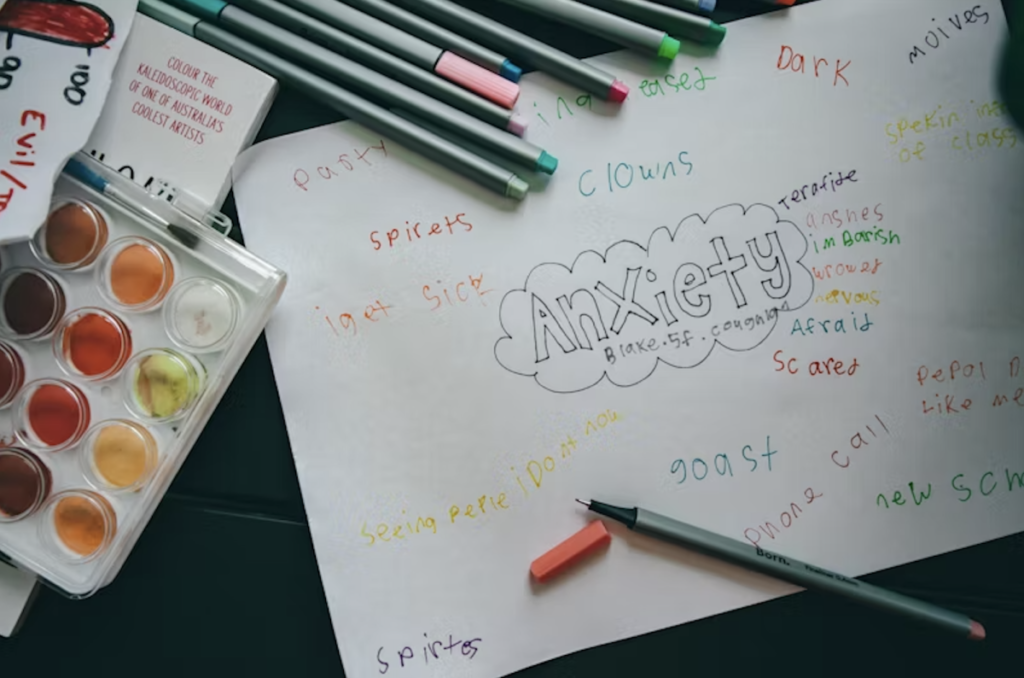
If you have ever watched your child’s breathing speed up, their eyes well with tears, or their whole body go rigid over something that feels small to you, you already know how fast anxiety can take hold. As parents, we would give anything to have a way to calm an anxious child in 60 seconds, right there in the moment, without a meltdown, a lecture, or a trip to the therapist’s couch.
The good news is that your child’s nervous system can shift out of “danger mode” surprisingly fast, when you know which levers to pull. Below are eight simple, practical tricks you can use anywhere, from the school car park to the kitchen table, drawn from what I use with families here in the Sutherland Shire every week.
What Anxiety Actually Looks Like in the Moment
Anxiety in children rarely looks like a child calmly saying “I feel worried.” More often it looks like a stomach ache before school, a sudden meltdown over a shoe that will not sit right, or a teenager snapping at you for no obvious reason. These are not bad behaviour. They are a nervous system doing exactly what it is designed to do under perceived threat.
| Physical signs | Behavioural signs |
|---|---|
| Racing heart, shallow breathing | Clinginess or refusal to separate |
| Stomach aches, nausea | Irritability, sudden anger |
| Tense shoulders, fidgeting | Avoidance of certain places or people |
| Trouble sleeping | Repeated reassurance-seeking questions |
The key takeaway: what looks like defiance is often a dysregulated nervous system asking for help, not a child being difficult on purpose.
Why Kids Melt Down So Fast
Understanding why anxiety hits so quickly makes it much easier to respond calmly instead of reactively. When a child’s brain perceives a threat, real or imagined, the amygdala triggers a fight, flight, or freeze response before the more rational, problem-solving part of the brain has caught up. This is a survival mechanism, not a flaw.
As an NLP coach, I explain it to parents this way: your child’s brain is not being naughty, it is being efficient. It has learned a pattern, and that pattern fires automatically. The tricks below work because each one gives the nervous system a different, calmer pattern to follow instead, often within seconds.
I worked with an eight-year-old client recently who would freeze completely before spelling tests, unable to even pick up her pencil. Once we practised a simple breathing and affirmation combination together, her mum reported she could see her daughter visibly relax within a minute, well before the test even started.
8 Tricks to Calm an Anxious Child in 60 Seconds
These are simple ways to calm an anxious child quickly, and every one of them takes under a minute to try.
1. Deep Breaths
Teach your child to breathe in slowly through the nose and out through the mouth. Shallow, fast breathing signals danger to the brain, while slowing the breath activates the parasympathetic nervous system and tells the body it is safe. Try counting together, in for four, hold for four, out for four.
2. Positive Affirmations
Say a simple affirmation together out loud, such as “I am safe” or “I can handle this.” Hearing your calm voice alongside their own reinforces the message on both a verbal and emotional level, and over time these phrases become anchors your child can reach for independently.
3. Cuddle Time
A reassuring hug encourages the release of oxytocin, the body’s natural calming hormone, while firm, steady pressure can help an overstimulated nervous system settle. Let your child stay in the hug for as long as they need it.
4. Music Magic
Play a familiar, favourite song. Familiar music helps the brain feel safe and can shift mood quickly. Combine it with movement, get up and dance together, to help discharge anxious energy at the same time.
5. Distract with Drawing
Keep a sketchpad handy for doodling. The small, repetitive wrist movements involved in drawing have a naturally calming effect, and the act itself gives the brain something else to focus on. It does not need to be neat, scribbling works just as well.
6. Essential Oils
A calming essential oil blend in a roller bottle, applied to the back of the neck or temples, can become a soothing sensory ritual. Used consistently alongside calm moments, a specific scent can, over time, become its own quick trigger for relaxation.
7. Laugh It Off
A silly joke or funny story releases feel-good hormones that directly counter the stress hormones driving anxiety, shifting your child’s physiology out of fight or flight almost instantly. Keep a couple of go-to jokes ready for exactly these moments.
8. Exercise
Getting the heart rate up quickly, even with star jumps or running on the spot, creates real changes in brain chemistry. As the body moves, the brain produces anti-anxiety neurotransmitters, offering almost immediate relief and helping your child feel back in their body.
The key takeaway: none of these tricks require special equipment or training, just a willingness to try them consistently so your child’s brain learns they work.
How NLP Coaching Helps When Quick Tricks Aren’t Enough
These sixty-second tools are brilliant for the moment anxiety strikes, but if your child’s worry is showing up daily, or is starting to affect school, friendships, or sleep, that is usually a sign the underlying pattern needs more support than a quick fix alone can offer.
This is where NLP coaching for anxious kids comes in. Rather than just managing symptoms in the moment, we work on identifying and gently shifting the thought patterns driving the anxiety in the first place, so your child builds tools they carry with them long after our sessions end.
Frequently Asked Questions
What is the fastest way to calm an anxious child?
Slow, deep breathing paired with a reassuring hug is usually the fastest combination, since both signal safety to the nervous system almost immediately.
Why does my child get anxious so quickly over small things?
A child’s amygdala can trigger a stress response before the rational brain catches up, so what looks like a small trigger to us can feel like a genuine threat to them in that moment.
Is it normal for anxiety to happen every day?
Occasional worry is a normal part of childhood, but daily anxiety that affects sleep, school, or friendships is worth exploring further with a qualified professional.
Can essential oils really help with anxiety?
Many parents find calming scents helpful as part of a broader toolkit, particularly when used consistently as part of a calming routine, though they work best alongside other strategies rather than alone.
When should I seek extra support for my child’s anxiety?
If anxiety is frequent, intense, or getting in the way of everyday life, it is a good time to reach out. You can book a free chat to talk through what is going on.
You Know Your Child Best
In just sixty seconds, these simple tools can make a real difference to how your child’s nervous system responds to worry. Try a few and notice which ones your child responds to best, since every child is a little different. According to Raising Children Network, learning to manage anxious feelings early gives kids skills that serve them well into adolescence and beyond.
If you would like more support, Anna runs nervous system regulation programs for Sydney schools as well as one-on-one coaching for anxious kids and teens here in the Sutherland Shire. Your calm, steady presence is already the most powerful tool your child has. These tricks are simply there to back you up.
Ready to talk it through? Book a free chat today.
About Anna Ware
Anna Ware is an NLP Practitioner, Master Life Coach, and former teacher based in the Sutherland Shire, Sydney. She works with anxious children, teenagers, and adults both in person at Gymea Bay and online, and runs nervous system regulation programs for Sydney primary schools. Learn more at annaware.com.au.